
Epic Alaskan Wilderness Playground Close to Homer
Tucked away in the stunning wilderness of Alaska lies Kachemak Bay State Park, a pristine natural wonderland spanning an impressive 400,000 acres. As Alaska’s first state park, this remarkable destination offers visitors an unparalleled blend of mountains, glaciers, forests, and ocean vistas that showcase the raw beauty of America’s last frontier.
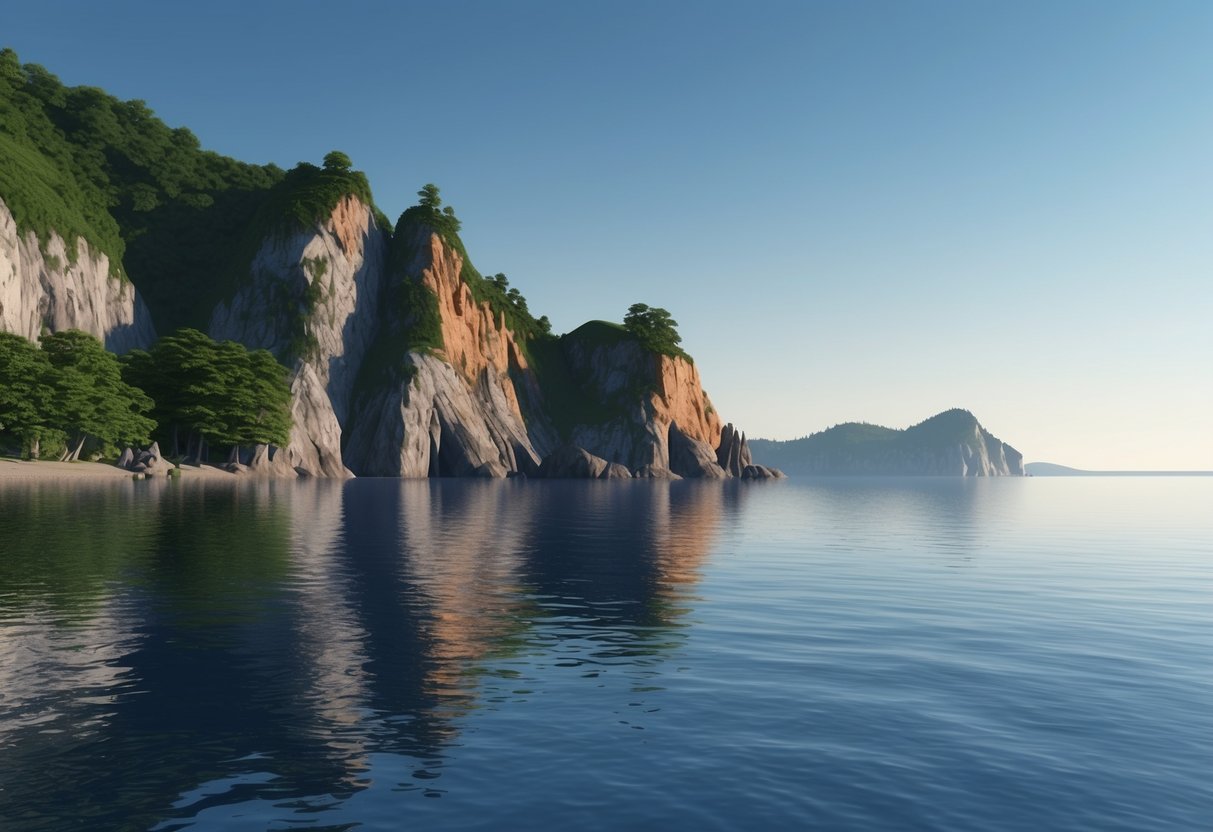
The park’s unique location makes it accessible only by boat or plane from Homer, adding an element of adventure to every visit. From its twisted rock formations revealing ancient geological stories to the ever-changing weather patterns that paint new scenes across its landscape, Kachemak Bay State Park stands as a testament to nature’s artistry.
Adventure seekers and nature enthusiasts can immerse themselves in activities ranging from hiking through pristine forests to kayaking along the spectacular coastline. Wildlife viewing opportunities abound throughout the park’s diverse ecosystems, making every visit a chance to connect with Alaska’s untamed wilderness.
Key Takeaways
- The park encompasses 400,000 acres of pristine Alaskan wilderness accessible only by boat or plane.
- Visitors can explore diverse landscapes featuring mountains, glaciers, forests, and marine environment.s
- Year-round outdoor activities include hiking, kayaking, camping, and wildlife viewing in untouched natural settings.
Exploring the Wilderness

Kachemak Bay State Park spans 400,000 acres of pristine Alaskan wilderness, featuring diverse terrain and trails ranging from coastal paths to challenging mountain ascents.
Trails and Hiking Adventures
The park’s trail network offers something for every skill level. The Glacier Lake Trail leads hikers through dense forests to stunning views of Grewingk Glacier, with opportunities for picturesque photos along the way.
Humpy Creek Trail provides a more challenging trek through lush vegetation, while the Saddle Trail rewards adventurers with panoramic views of the bay and surrounding mountains.
Backcountry hiking opportunities include both marked paths and rugged terrain for experienced explorers. Many trails feature interpretive signs highlighting local flora and geology.
Wildlife Encounters
The park’s diverse ecosystems support an incredible array of wildlife. Visitors often spot bald eagles soaring overhead and harbor seals lounging on coastal rocks.
Bear safety is essential – both black and brown bears roam the park. Keeping a safe distance and making noise while hiking helps avoid surprise encounters.
Bird watchers will find paradise here, with numerous species inhabiting the coastal areas and forests. Morning hours offer the best opportunities for spotting puffins, murres, and other seabirds.
Camping and Overnight Stays
Several designated camping areas provide basic amenities, including picnic tables and outhouses. Campers should bring all necessary supplies, as the facilities are rustic.
Backcountry camping requires proper preparation and equipment. Weather can change rapidly, so packing appropriate gear is crucial.
Popular camping spots include areas near Grewingk Glacier and along the coastline. Permits are required for overnight stays, and campfires are only allowed in designated areas.
Backpackers should follow Leave No Trace principles and store food properly to avoid attracting wildlife.
Water Activities and Marine Life
The pristine waters of Kachemak Bay offer incredible opportunities for paddling, wildlife encounters, and marine exploration against a backdrop of glaciers and mountains.
Kayaking and Boating
Water taxis depart daily from Homer’s Small Boat Harbor to Halibut Cove Lagoon, making it easy to access the park’s waterways. Many visitors rent kayaks in Homer and have them transported across by water taxi.
The protected coves around Tutka Bay and China Poot Bay provide perfect conditions for paddling adventures. Calm waters and stunning coastal scenery make these areas especially popular with beginners.
Experienced kayakers often explore the more remote sections, paddling between public-use cabins and waterfront campsites. The changing tides create interesting paddling conditions throughout the day.
Fishing and Marine Studies
The rich waters support abundant marine life and offer excellent fishing opportunities. Halibut and salmon fishing draw anglers throughout the season.
The bay serves as a critical habitat area supporting diverse marine ecosystems. The intertidal zones reveal fascinating sea life during low tides.
Many visitors join guided marine biology tours to learn about the local ecosystems and ocean environment. These tours provide close-up views of the underwater habitats.
Wildlife Viewing by the Water
Sea otters frequently play and feed in the protected coves. They can often be spotted floating on their backs while cracking open shellfish.
The bay’s waters attract whales, porpoises, and seals. The best viewing times are when marine mammals are most active in the morning and evening hours.
Harbor seals regularly haul out on rocky points and small islands. Keep a respectful distance to avoid disturbing these curious creatures.
Bald eagles patrol the shoreline searching for fish while seabirds dive for food in the rich waters. Sharp-eyed visitors might spot river otters playing along the shore.
Frequently Asked Questions
Visitors to Kachemak Bay State Park need key details about transportation, activities, lodging and regulations to plan their adventure across the bay from Homer.
How can you get to the park from Homer?
The park is only accessible by boat or plane from Homer. Water taxis run regularly across Kachemak Bay.
Many visitors take water taxis from the Homer harbor, which is reachable via Channel 16 on marine VHF radio.
Air charter services also provide transportation to various points within the park.
What kind of activities are available in the park?
Hiking, hunting, fishing, and backcountry skiing are popular activities throughout the park’s vast wilderness areas.
Wildlife viewing opportunities abound, with chances to spot marine mammals, bears, and diverse bird species.
Photography enthusiasts can capture stunning views of glaciers, mountains, and coastlines.
Are cabins available for overnight stays, and how do you reserve one?
Public-use cabins are scattered throughout the park and must be reserved in advance through the Alaska State Parks reservation system.
Yurts provide a unique alternative lodging option, with many located near trailheads for easy access to hiking routes.
What are the best hiking trails in the park?
The park features an extensive network of trails ranging from easy coastal walks to challenging mountain ascents.
Popular routes include the Grewingk Glacier Trail, Coalition Trail, and Alpine Ridge Trail.
Trail conditions can vary significantly with weather and seasons, so hikers should check current conditions before setting out.
Can you camp anywhere in the park, or are there designated spots?
The park has designated campsites in various locations, particularly near popular trails and beaches.
Backcountry camping is permitted in most areas, but campers should follow Leave No Trace principles.